
Fundraising in 26.2 Podcast: Episode 3
Unlocking the power of Peer to Peer Fundraising
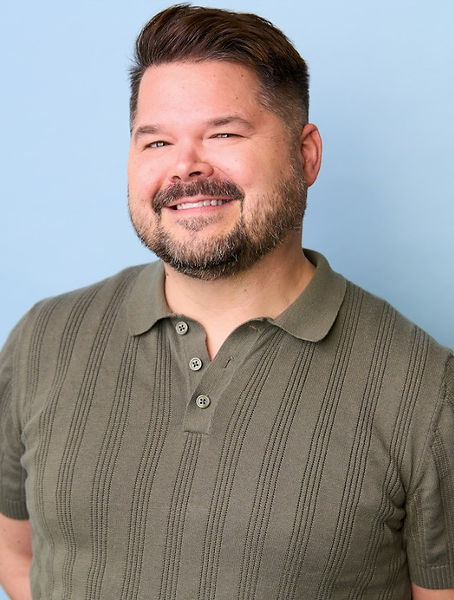
In this conversation, Kamal Datta speaks with Chris Newcomer, a specialist in peer-to-peer fundraising at Give Sign Up. They explore the concept of peer-to-peer fundraising, its significance for nonprofits, and the tools available on the Give Sign Up platform. Chris shares insights from his unique journey from opera singer to fundraising expert, discusses the dynamics between nonprofits and race organizers, and highlights the importance of storytelling and engagement in successful fundraising efforts. The conversation also delves into gamification strategies and the challenges faced by fundraisers, providing valuable takeaways for both nonprofits and individuals looking to make an impact through fundraising.
Key takeaways:
-
Peer-to-peer fundraising involves asking supporters to reach out to their networks.
-
Chris transitioned from a career in opera to nonprofit fundraising for greater security.
-
Give Sign Up offers free tools for nonprofits to facilitate fundraising.
-
Successful fundraising often relies on human stories and personal connections.
-
Not all nonprofits are suited for peer-to-peer fundraising; it works best with vocal supporters.
-
Race organizers can partner with nonprofits to streamline fundraising efforts.
-
Fundraisers should maintain engagement and share their pages regularly.
-
Gamification can enhance fundraising by providing recognition and milestones.
-
Post-event communication is essential for building long-term donor relationships.
-
Nonprofits should provide resources and coaching to their fundraisers for better outcomes.
Show Notes
Note: Episode summary and transcript has been generated by AI tools and may have some errors
Episode Outline
00:00Introduction to Peer-to-Peer Fundraising
02:50Chris Newcomer's Journey to Fundraising
06:05Understanding Give Sign Up's Tools
08:58The Dynamics of Nonprofit and Race Partnerships
11:50Success Factors for Fundraisers
15:11Gamification in Fundraising
18:02Engagement Strategies for Nonprofits
20:48Challenges and Best Practices in Fundraising
Mentions & Links
-
GiveSignUp Platform - https://www.givesignup.org/
Transcript
Kamal Datta (00:02.178) Hey listeners, today I'm excited to have Chris Newcomer on the pod where Chris actually is leading the peer to peer fundraising on Give Sign Up platform. And then you're going to chat a lot about peer to peer fundraising, what it is, and you're going to uncouple quite a few areas, both for the nonprofits and for the folks who are fundraising on this platform or any other platform. So welcome Chris. Well, thank you so much for having me. I'm so glad to be here, Kamal. I'm so glad to get to discuss what I do every day, talking about fundraising tools. This is great. That's excellent. So let's start with the first question I have in my mind, which is, what is peer-to-peer fundraising, Yeah, peer-to-peer fundraising is any time an organization is asking their donors, their constituents, their people who support them to reach out to their own friends and family to donate to their their page and therefore donate to the organization at large. So they're peers, if you will. So that's why we call it peer to peer fundraising. That's great. And tell me a little bit about your background. How do you end up in peer to peer fundraising? And you are a specialist at Give sign up. I am. Yeah. I, so I worked, it's funny. I'm, my training is actually as an opera singer. So you wouldn't think that I would end up here. I actually was a performer for a very long time. And I, was performing on Broadway and on touring the world. And I was like, you know, it'd great to have a savings account. And so I sort of made a switch to, the theater was wonderful, but I wanted to do something that provided maybe more security for me and also that I felt really good about doing. And so I explored working with nonprofits more and working with organizations that I thought were doing some good in the world. And then I had worked here and there at some nonprofits. I worked with Opera America. and a few other ones in New York City when I lived there. And then when I moved back to Philadelphia, I ended up getting connected with the folks over at Run Sign Up and they were just launching this new wing of the company, Give Sign Up, which is focused on supporting and helping nonprofits with the peer to peer tools they already have. And so we talked about it and they were thinking that I was in a good place to sort of make a career transition to come join them. And that was four years ago and it's been really incredible. Kamal Datta (02:25.71) to spend this time, number one, learning what great tools they have at this company, but then also seeing all the great work that nonprofits are able to do using those tools at the company as well. So it's been a lot of fun. wow. How you connect with the dots is pretty fascinating to learn. Somehow you become a specialist from an opera to a P2P specialist. Great. Well, it's funny when you have a life in the arts. you do you because most lot of arts organizations are nonprofits. They're always having galas. They're always having events. They're always needing support. It's one of the parts of this country that is a little bit underfunded. And so I already had a lot of experience on that side of things. And getting involved even more heavily was a way to to be able to support that and other nonprofits as well. know, that's that's very good point, though. Yeah. Yeah. So coming back to Give and a platform as a peer to peer fundraising, kind of give you lot of tools and then the toolkit. Can you give an overview of how does Give sign up actually support nonprofit for peer to peer fundraising? Yeah, absolutely. So we are a company that provides you with free software. we're not going to come in and charge you to use these tools. These tools are free to use if you just simply set up an account, which is a great service to begin with. And then, you you can come in and sort of decide what level of the tools you're going to engage with. We have plenty of events that come in and they only have donations turned on and that works for them. And then we have other nonprofits who they have, you know, they've engaged more with their constituents or they've got folks who are really lively and really supportive and really want to get out there and do things. So then they're able to turn on this peer to peer fundraising tool so that when folks are registering for that event, they have that added option. to become a fundraiser. And it all the way goes up to events that are huge, that have been long-term fundraising events where you have to fundraise to do it. Not only do you fundraise, you have to meet a minimum. So the tools sort of scale to whatever the unique needs of your event require, be it we're going to have a $3,000 fundraising minimum, and we're going to require that you meet that minimum, or we're going to keep it more relaxed and allow you to sort of volunteer to fundraise. Kamal Datta (04:46.146) But the tools exist sort of at any level that you need. And on top of that, we've got a wealth of resources for folks who have questions. We've got lots of help articles, webinars, blogs, not to mention the great support you're gonna get from our team as well. Not only from me as the peer to peer specialist, if you're coming on with a big peer to peer event, you're gonna probably be talking to me a lot and seeing what the right configuration is. but you're also going to get a dedicated account manager who's going to come and help you make sure that all the wires are connected, you know, for the car to turn on, you know, and make sure that everything, the flow works right. That's great. Now, if say I'm running a nonprofit and I'm interested in peer to peer fundraising based on whatever I know that can help the nonprofit. What Why would a nonprofit consider a peer-to-peer fundraising in today? And as you work with a wide range of nonprofits on the Give Center platform, is there a certain partnership or certain sort of peer-to-peer fundraising that works better than some other peer-to-peer fundraising for nonprofits? I think that, you know, It isn't necessarily a right thing for every nonprofit. Not every nonprofit is going to be able to engage with their constituents in this way. But I think if you've got vocal supporters or people who I think we see it a lot often, you know, when there's a face to the to the issue people are supporting, you know, if you've got a cancer charity or something like that, where you're there's a real human element, that's where we really see it succeed. Because people really want to support those folks and a lot of what those folks are doing. are telling human stories about folks who are in need of support. And that's really where peer-to-peer fundraising takes off, because you are talking to your friends and family and you're saying, hey, this is a loved one that we are doing this in memory of or in support of. And so in that way, anytime there's a nonprofit that's able to humanize or just tie it to the humanity of it all, that's where I think it really can succeed. That's not to say that an organization that's like, we're here to support, Kamal Datta (07:06.36) creating manufacturing gears or whatever, whatever it's not a human thing, couldn't work, but it's just, can work better if you can tell a human story. But I think that's just sort of a way to connect with folks, is to tie it back to us as people. Yeah, no, that makes sense. Now I think peer-to-peer fundraising is very popular with... race organizations as a charity partner, which I think most of the peer-to-fundraising that Give sign up platform supports, and you do support as a peer-to-peer specialist as well. Tell us a little bit more on how the partnerships and the dynamics works out between the nonprofits, the race organizers, and then how you as a Give sign up platform come in between to help both sides. Yeah. Well, the nice thing about our platform is that you know, a race can do it a number of ways, but a very popular way for them to do it is they create sort of the registration side of things, and then they'll add that nonprofit as a charity partner. And then that nonprofit gets to come in and they get to be the ones who decide what their wording is, what their fundraisers are going to see, and they get to add their payment account. So basically, you know, all of the donations are going to go to that nonprofit and all the registrations are going to go to the race organizer. So it keeps sort of the money clean in a lot of ways, which I think it's nice for some organizers who don't really wanna worry about receiving money and then having to cut a check and then what that could be like, the complication of that, we sort of remove that, which is really nice. And then for the nonprofits, they get to come in and they have access to seeing all these people who have fundraised for them and folks who have donated to them. So it's also a nice way for them to build out their list of folks they're reaching out to, their circle of people they are asking for support down the line. So I think it really works out nicely for both parties. And you know, that support I was talking about earlier, both organizations have access to that. So we're here to support them and make sure that it works as best it can. Operationally, I'm just curious, the point you just mentioned about distribution of fund between the organizers and the nonprofits, is it set by the organizers or it varies from the partnership between the Kamal Datta (09:29.558) Organize it depends each each event is unique and so, know, there's some folks who are like now We'll just cut them a check at the end. Don't worry about it We're just gonna take care of all of it and then other folks who are like, you know We don't want to touch that money We'd rather it flow right to the nonprofit and the nice thing about our tools is that as I said it works for whatever the unique setup You know you have might be Whatever works best for both you and the nonprofit you're working with I See. I see now that that makes sense because it can set your own cadence Yeah, front towards the end or as it comes. Yeah, if you want to it, sometimes people want to be able to have a big old check that they write out and they you know, there's things that people like to do that can be a fun thing to that. You know, we don't want to remove that fun or the joy or the this the recognition that that provides, which I think is often important as well. You know, yeah, yeah. Now, coming a little bit on the other side of the spectrum, which is kind of the fundraisers. So most of the times when you're talking about a charity partner for a raise, folks are actually fundraising on behalf of the charity partner to run those races or whatever the reason may be personally connected to that. What are the couple of areas that you have seen that folks are successful as a fundraiser when they undertake this kind of peer-to-peer fundraising efforts? Yeah, I think when they approach it like a plant to be tended to or, you know, your sourdough starter, you've got to keep feeding. So I think it's like people who are setting up their fundraiser page and then like sharing it once. Yeah, you're going to get some money, but you're not going to engage with folks or keep the momentum going. But folks who are reaching out and sharing it with with their friends and family, you know, over a period of time. And then hopefully the nonprofit has provided these folks with the resources or with wording or with some sort of call to action that says it gives them something else to share. And that's something we coach the nonprofits on as well as ways you can communicate with your fundraisers over the life of a fundraising event so that they have more material to reach out with as they're asking their friends and family to support them. Because I think if you're, you really need to just be engaging with your peers in the peer to peer fundraising. Kamal Datta (11:52.8) of it all. that way, if you're sharing your page out, I would say once a week or once every two weeks, and not with the same message, but with a new message or a different call. That way, we see people be very successful. And on the nonprofit side of things, if you have, we know a lot of nonprofits are stretched in there. They've only got a few folks working in the development department. so what they can give sometimes is an FAQ page with some guidance on how to to share their pages out and things like that. But if you have a nonprofit that has some extra folks around you, you have an intern for the summer, you can utilize those folks to coach your fundraisers. And that's really where we see success grow even further. As you have people not only sending emails saying, here's what you do, but maybe even reaching out and having a conversation with them or having like a Zoom meeting with your top fundraisers and saying, hey, here's our best practices or here are ways that you can get the word out. And here's how you can shape what you're saying to be a really compelling story. I think that's another thing that I touched on earlier that's good to mention, but the fundraisers are telling that story too. They're saying, this is how this cause has affected my life and this is how you can support me as I try to support this great organization. No, that's a good point. And do you see a percentage or a good number of nonprofits actually taking that coaching role as well for the fundraisers? We do. We definitely see like the larger events or the ones that have been doing it for a long time. There's definitely more of a coaching aspect or at the very least there's so many resources they're providing. So even if they're not coaching, there's a big FAQ page or they're emailing out, you know, sort of templates for messages to send to friends and family. That really will be super successful too. That's great. Now on the flip side, have you seen things that doesn't work that people try to do? Sure. Well, I think it's like anything. It's the effort you put into it. So folks who turn the tools on and then don't include any messaging or don't include any, you and then you're have just a lot of sort of, either people are not gonna create their fundraiser pages or if you like require that they fundraise, but then once again, don't provide messaging or any sort of thing like that, you're gonna have a lot of $0 fundraisers, which is also not a great look. People go to that fundraiser page and there's just not a lot going on, but there's. Kamal Datta (14:14.836) people there being like, zero, it's just not, it's not the best. So, that's why I say not every event has to turn it on because maybe it isn't right. Maybe it isn't right for their constituents. Maybe people would prefer to just donate. But if it is, it's a great thing to turn on if you're going to engage with it. Yeah. Yeah. And for the fundraiser, are there any tools on the toolkit on Give and a platform that they can leverage? Yeah, mean, the page itself is really, very, you can personalize it really easily. Not only can you, you you can put your own name, obviously, and you can create a tagline, you can create your own shortened URL to make it easier for you to share. You can actually even get a, I actually have a colleague, Nancy, who is always participating in one of these events on our platform. And she utilizes the ability to have your own, we auto-generate a QR code for your fundraiser page, and she'll always have that. at the top of her favorites folder on her phone so that if she's in a conversation with someone and they're asking about what she's doing or what this event she's doing is, she just pulls that right out and says, I'm doing this. Would you like to donate right now while I have you on the hook and you're right in front of me? I think that's very smart. Yeah. It is. wow. That's pretty, pretty nice. Like you have that feature in LinkedIn too. Like you have a QR code on LinkedIn for, hey, let's connect. Like you can easily do that. It's handy too. Instead of sending emails and with the link and then. Oh, that's pretty smart. Anything else that is there for both sides of the nonprofit? Yeah, they can also build out their own slideshow on their page. So if they're looking to personalize, they can add up to 10 photos to sort of support the story they're telling. And those links to share are, they've got social sharing links that are right on that page. But if anyone just gets to their page, a lot of the things that are built right in, people can choose to donate. Or if they're on a team, people can choose to join their team. right from their fundraiser page and it just loops them right into the red path. So I just think it's really built for success and for people who are sharing it out, you're gonna get people to donate and to join and to spread the word, which is what it's about. Yeah, yeah. So in races, Chris, so most of the fundraisers are time-based, right? I understand there are different kinds of Kamal Datta (16:38.51) peer-to-peer fundraising. And especially when the race and charity partners combine, it's more for a race and it's a certain duration that have to raise X amount to meet the fundraising goals. Is it more effective compared to the other kind of peer-to-peer fundraising that you have seen or supported Grim Sign Up? I think that when you include an element of asking, one of the things I always refer back to is, you how do you get someone to like you more or to want to support you more is that you ask them to do you a favor. And really, that's what you're doing with folks with peer to peer fundraising. And so adding an element of like, OK, we really want you to do this and we want you to fundraise this amount and being clear about that, people are going to do it more versus doing sort of a wishy washy, put in whatever you want kind of thing like that. That works, but it's more effective if the nonprofit is really clear and concise about. how they want people to show up for them in that monetary way. And also, mean, people also wanna be getting something from that and some recognition. And so we see a lot of success with nonprofits who include fundraising swag that people can earn. So if someone raises $500 and they're getting a hat or they're getting a sweatshirt, that's important to them. They want the recognition for the hard work they've done. So you wanna make sure it's sort of a two-way flow of feeling good in that That is true. Yeah, so you touched on a good point and I wanted to... expand a little bit on which is called that gamification part of the fundraising because nowadays the platforms are getting smarter and smarter to gamify you know to make sure that you know people are doing so much work how do you reward them in the gamification different tools and techniques what are the couple of things that you have seen it really works or resonates with both sides or the organizers nonprofits and also the fundraisers Yeah, we actually have a great tool that nonprofits or organizers can use, which you can create milestones and badges, these digital milestones that people can earn as they fundraise. And so that's just an easy way to be like, oh, I earned my 25 and my little badge filled in. It looks great. And we have default ones you can use, but a lot of people are making their own custom ones that look great as well. And one of the nice things too is we just had a new release where you can have a milestone that's triggered based on Kamal Datta (19:03.176) question that someone has answered. So for organizations that are like supporting folks who are dealing with cancer, you can say, are you a cancer survivor? And then you can then acknowledge that right on their fundraiser page. So this is someone who has is sort of the reason that we're here, you know, given that they give them that survivor badge or a veteran or whatever you want, you can make it a custom. custom badge. And I think what I what I love about that is it's shining the light on the people who are the reason that people are even doing these events or fundraising at all, you know? Yeah, yeah. You know, one of the things I do, like I do volunteer on my birthdays. And this year, I happened to volunteer at a food bank in Boston. And I was so taken away by the way they gamified the outcome of my effort, like So it was, you go to a food bank and do X, Y, things, primarily internally to help them out. But at the end of the day, they give me a little one pager, which says, Hey, your effort today, how distribute meals to X number of families. it will help. And the feeling that you get is not that in how you gamified, but my effort, which I cannot tell from like, how it is actually being delivered to the end user or what is the impact of my involuntary effort. that somehow gave me an outcome that I feel really proud of myself or feel good about it. Like, so when you talk about gamification, I hope, you know, effort that people are putting in somehow it make them feel that whether their contribution is helping in a quantifiable way or however you can gamify it. It is there. But I love the couple of examples you gave, but if it is showing people what is the effort is actually giving the outcome for the charity they're doing. I think it goes a long, long way. I think you're exactly right. And I think we see, you know, we talk about communication all the time, you know, during the life of the campaign, but it's also that right that after the event communication that's saying, hey, we've reached this amount of money and that amount of money we've been able to do this with or that with, and that's gonna bring people back year over year. And that's another thing that nonprofits and organizations have to consider. Kamal Datta (21:22.054) is making sure that you are doing a sustainable, growable, you know, campaign that allows people to feel like they're having a good time and they want to come back and do it again, you know? Yeah, yeah, yeah. That's great. For the fundraiser itself, and you have seen a lot, Proud on Gipsy and a platform, I know they support a lot of charities. Have you seen certain things that also doesn't work like the nonprofit you mentioned? the do's and don'ts sort of a list? A lot of the don'ts just come in with the not engaging enough or not putting enough information in, sort of sharing out a profile that doesn't have a lot of information on it. That's not going to engage folks to do too much. Because really you would think, oh, the do's would be like, you can't write this, you can't write that. Well, the people who are writing things in are not writing the wrong things for the most part. They're really, they're energized. They know the messages they want to send. Yeah, I think it really is just about making sure that the fundraisers are engaging with their pages and sharing them out. And that's why that great, you know, the communication all through the event is so important saying, hey, we've got, you know, a month left. Don't forget to share out your page. I've actually seen other nonprofits engage folks too by doing things like they'll do a day where, okay, our goal is to raise $5 every hour for the next 10 hours or challenge like that. Or they've got a Corporation who's come in and said, for every donation we received today, we're going to double it, you know, that kind of thing. And so sprinkling those throughout the life of the event or the life of the fundraiser also really gets people energized to keep on sharing their pages out. Since you're talking about, you know, matching, Giving Twist Day is a big event in the fundraising world. How you've seen that being leveraged or based on the data you have seen on the Give Center platform? Yeah, we'll see. That's, you know, people who do Giving Tuesday are doing more of like a standalone sort of fundraiser that lives outside of a physical event or an event where people are doing something. So we do see people use our tools for that, although a little bit less than our in-person or our virtual events. But certainly people are still doing it and still leveraging that and sharing those things out. And really, we're coming about the time where people are about to start planning those campaigns anyway. Yeah. So it is coming up. Kamal Datta (23:48.386) So yeah, it's a good thing to remember. yeah, our tools certainly can support that for folks who are looking to come in and give folks the ability to donate or even fundraise for Giving Tuesday. We're available for that as well. great. Hey, Chris, it was great chatting with you. And thanks for sharing the nuggets and your learnings. And as a specialist in peer-to-peer fundraising, I'm sure it will be helpful both for our nonprofits and the fundraiser themselves. So thank you so much. Thank you, Kamal. It was a lot of fun.